













COB LED vs SMD LED Comparison: Which Display Technology Wins for B2B?
Introduction: The Hidden Cost of Choosing the Wrong LED Display
When investing in large-format displays for your business, the decision between COB LED vs SMD LED can have long-lasting implications on performance, maintenance, and total cost of ownership. Many B2B buyers have experienced the pain of a display that fails in high-traffic environments—dead pixels, cracked panels, or poor visibility under bright lights. This is not just a technical inconvenience; it disrupts presentations, reduces audience engagement, and leads to unexpected expenses.
Understanding the core differences between Chip-on-Board (COB) and Surface-Mount Device (SMD) LED technologies is essential for selecting a display that meets your specific needs. Whether you are equipping a corporate boardroom, a retail space, or an educational facility, this COB LED vs SMD LED comparison will help you make an informed decision.
What Is COB LED Technology?
COB LED stands for Chip-on-Board, a packaging technology where multiple LED chips are mounted directly onto a substrate to form a single module. This design eliminates individual LED packages, resulting in a higher pixel density and a seamless surface. The chips are typically coated with a protective layer, making the display more resistant to moisture, dust, and physical impact.
Key characteristics of COB LED displays include:
- High durability: The protective coating reduces the risk of damage from accidental bumps or environmental factors.
- Enhanced contrast: A uniform surface minimizes light reflection, delivering deeper blacks and better image quality.
- Lower power consumption: COB LEDs are more energy-efficient due to improved thermal management.
- Fine pixel pitch: Ideal for close-viewing applications, such as interactive displays in meeting rooms or classrooms.
What Is SMD LED Technology?
SMD LED (Surface-Mount Device) is a mature technology where individual red, green, and blue LED chips are encapsulated in a single package and soldered onto a circuit board. This approach has been widely used in indoor and outdoor displays for years.
Key characteristics of SMD LED displays include:
- Brightness: SMD LEDs can achieve high brightness levels, making them suitable for environments with ambient light.
- Color consistency: Each package is individually calibrated, offering reliable color reproduction.
- Cost-effectiveness: SMD technology is generally less expensive upfront compared to COB.
- Wide viewing angles: SMD packages provide good off-axis visibility.
COB LED vs SMD LED Comparison: Key Differences
To help you choose the right technology, here is a detailed COB LED vs SMD LED comparison across critical factors for B2B applications:
1. Durability and Reliability
COB LED: The integrated design with a protective coating makes COB displays highly resistant to physical stress, dust, and moisture. According to industry tests, COB LEDs can withstand up to 5 times more impact than SMD LEDs. This is crucial for interactive touch screens in public spaces where frequent contact occurs.
SMD LED: Individual packages are more vulnerable to damage. A single bump can dislodge an LED, leading to dead pixels. In high-traffic settings, this can result in higher maintenance costs over time.
2. Image Quality and Pixel Density
COB LED: With a seamless surface and finer pixel pitch (down to P0.7 or less), COB displays offer superior contrast and uniformity. This makes them ideal for close-up viewing, such as in corporate presentations or interactive learning environments.
SMD LED: While SMD panels are capable of good image quality, the visible gaps between individual packages can create a "screen-door" effect at close distances. For applications requiring high-resolution content, COB is often the better choice.
3. Brightness and Energy Efficiency
COB LED: COB technology typically achieves brightness levels of 600-800 nits, which is sufficient for indoor use. However, its energy efficiency is superior—COB LEDs consume up to 30% less power than SMD for the same brightness output, thanks to better heat dissipation.
SMD LED: SMD panels can reach higher brightness (up to 1500 nits), making them suitable for outdoor or brightly lit indoor spaces. However, this comes at the cost of higher energy consumption and heat generation.
4. Cost and Total Cost of Ownership
COB LED: The initial investment in COB technology is 20-40% higher than SMD. However, the reduced maintenance and longer lifespan (often 100,000 hours vs. 80,000 hours for SMD) can lower total cost of ownership in the long run.
SMD LED: Lower upfront cost makes SMD attractive for budget-conscious projects. But frequent repairs in demanding environments can offset these savings.
Practical Tips / Buyer’s Guide: How to Choose Between COB and SMD
When evaluating COB LED vs SMD LED for your next display purchase, consider these practical guidelines:
- Assess your environment: For high-traffic areas like lobbies, retail floors, or interactive kiosks, COB’s durability is a clear advantage. For controlled environments like conference rooms with low physical contact, SMD may suffice.
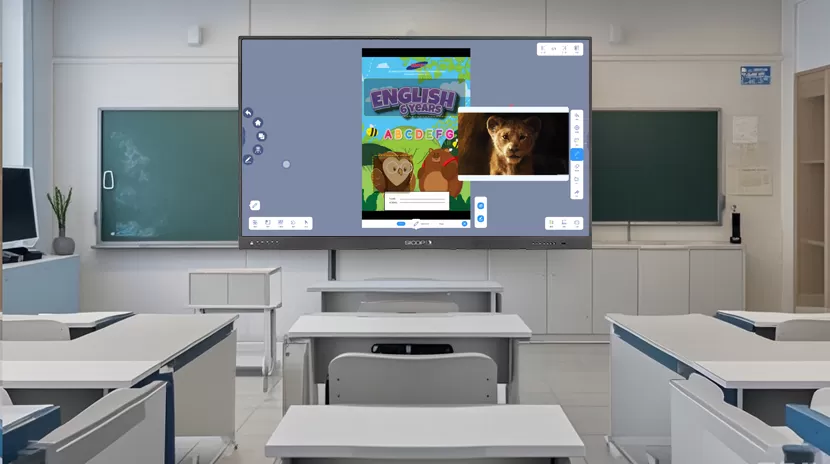
- Determine viewing distance: If your audience will be within 3-5 feet of the screen (e.g., in a classroom or huddle room), choose COB for its fine pixel pitch and superior visual quality.
- Evaluate brightness needs: If your space has large windows or strong ambient light, SMD’s higher brightness may be necessary. For typical indoor settings, COB’s 600-800 nits is adequate.
- Calculate total cost: Factor in not just purchase price but also energy costs, maintenance, and lifespan. A simple calculation: (initial cost + (annual maintenance × years)) ÷ lifespan hours can reveal the true value.
- Consider interactivity: For touch-enabled displays, COB’s robust surface reduces the risk of damage from frequent taps and swipes, ensuring a longer product life.
Why Riotouch’s COB LED Displays Are the Smart Choice
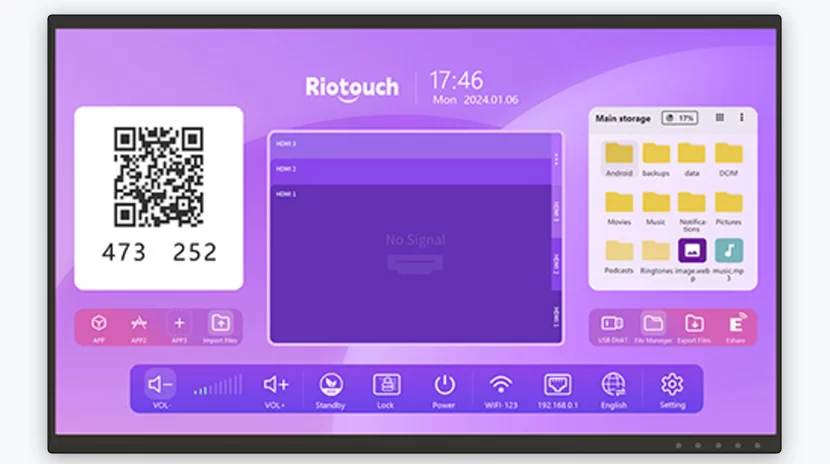
Riotouch, a leading manufacturer of interactive flat panels and LED displays, has embraced COB LED technology for its premium product lines. Our COB-based interactive displays offer the perfect balance of durability, image quality, and energy efficiency for B2B environments. With pixel pitches as fine as P0.9, our screens deliver crisp visuals for presentations, collaboration, and digital signage—all while reducing maintenance downtime.
In contrast, our SMD LED solutions remain available for clients who prioritize high brightness and lower initial costs, but we recommend COB for mission-critical applications where reliability is paramount.
Call to Action: Contact Riotouch for Your Display Inquiry
Ready to upgrade your business displays with the right LED technology? Whether you need a durable interactive panel for a classroom or a high-brightness signage wall for a retail space, Riotouch has the expertise to guide you. Contact our team today for a personalized consultation and quote. Let us help you make the best COB LED vs SMD LED comparison for your unique needs.
Get in touch with Riotouch now to discuss your project requirements.


