







Why Smart LED Video Walls Are the Future of University Lecture Halls and Vocational Training Centers
Why Smart LED Video Walls Are the Future of University Lecture Halls and Vocational Training Centers
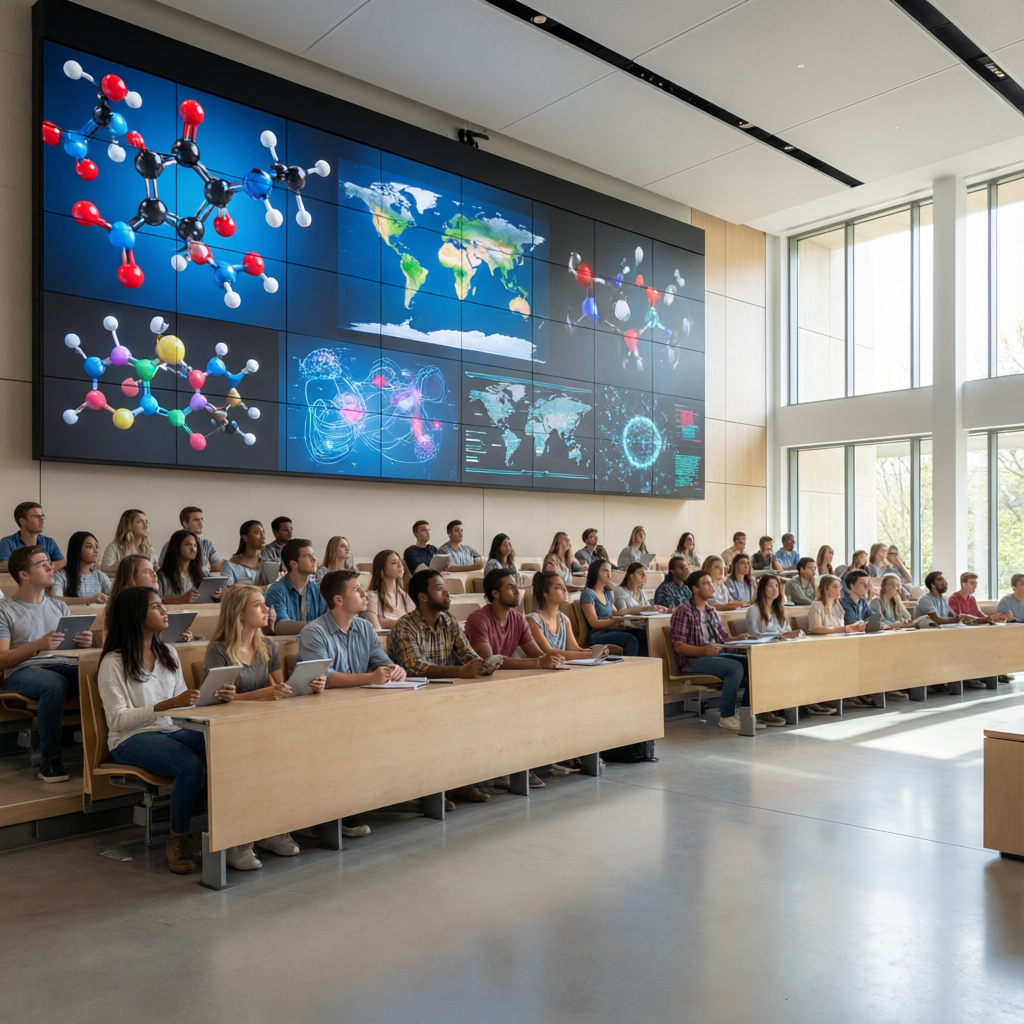
\n\nWalk into a typical 300-seat university lecture hall today and you will likely see a faded projection screen, washed out by ambient light and barely legible from the back row. Now walk into a hall equipped with a Riotouch Smart LED video wall — and the difference is immediate. Every detail is sharp. Every seat has a clear view. The technology itself recedes, leaving only the content. This article examines why Smart LED displays have become the defining technology for higher education and vocational training, and how Riotouch's approach differs from what brands like Samsung, ViewSonic, and LG bring to the market.
\n\n1. Brightness That Matches the Room, Not the Other Way Around
\n\nTraditional projectors require dimmed lights to be visible — a trade-off that forces students to choose between seeing the screen and taking notes. Even advanced laser projectors top out at around 5,000 to 8,000 lumens, which translates to roughly 120–180 nits on a large screen. Riotouch Smart LED panels deliver 600 nits (standard) to 1,200 nits (high-brightness), comparable to what Samsung's The Wall offers at a premium price point, but without the proprietary ecosystem lock-in.
\n\nThis brightness matters most in vocational training environments — automotive workshops, medical simulation labs, and culinary training kitchens — where overhead lighting cannot be dimmed for safety reasons. A 55″ Riotouch LED video wall remains fully readable under 1,000 lux workshop lighting, while a projector would be invisible. ViewSonic's ViewBoard IFP series offers similar brightness but is limited to 98″ maximum — whereas Riotouch LED scales to 200″ and beyond through seamless拼接 (tiling) technology.
\n\n2. Seamless拼接: From Small Classroom to Large Auditorium
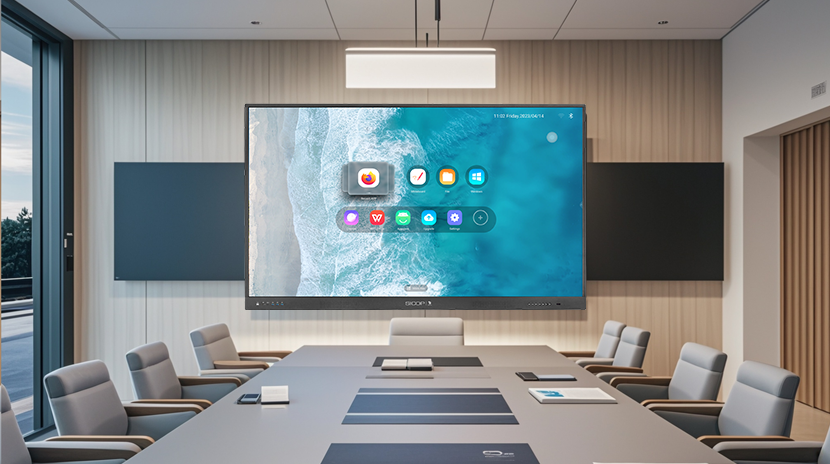
\n\nLCD panels from LG and Samsung have visible bezels that create a "window frame" effect when tiled. Even their ultra-narrow bezel models leave a 0.44mm gap between panels — noticeable in detailed content like CAD drawings, circuit diagrams, or medical imagery. Riotouch Direct View LED (DVLED) eliminates bezels entirely. Multiple cabinets tile together with no visible seams, creating a single continuous canvas at any size.
\n\nFor universities, this means a single deployment strategy that spans room types:
\n- \n
- Small seminar room (20 seats): 108″ LED display — replaces both projector and whiteboard \n
- Lecture hall (150 seats): 165″ LED video wall — visible from every row without zooming \n
- Auditorium (500+ seats): 220″+ LED wall — rivaling cinema-quality viewing \n
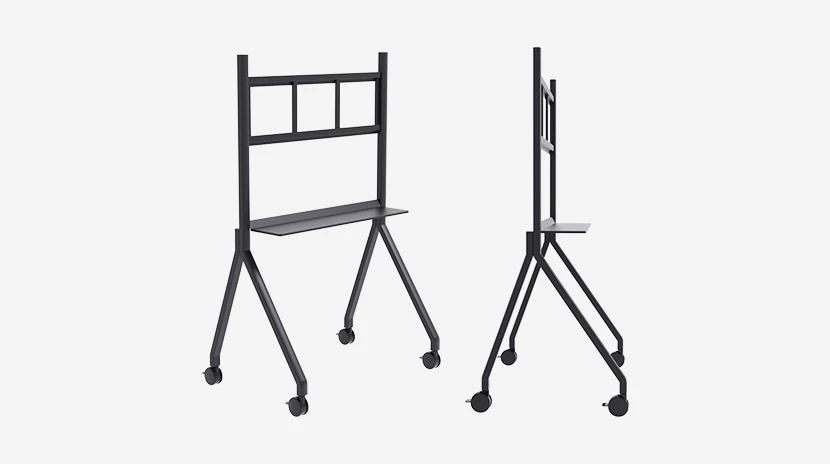
- Vocational training bay: 86″ mobile LED cart — moved between workstations as needed \n
3. Interactive Touch That Actually Works at Scale
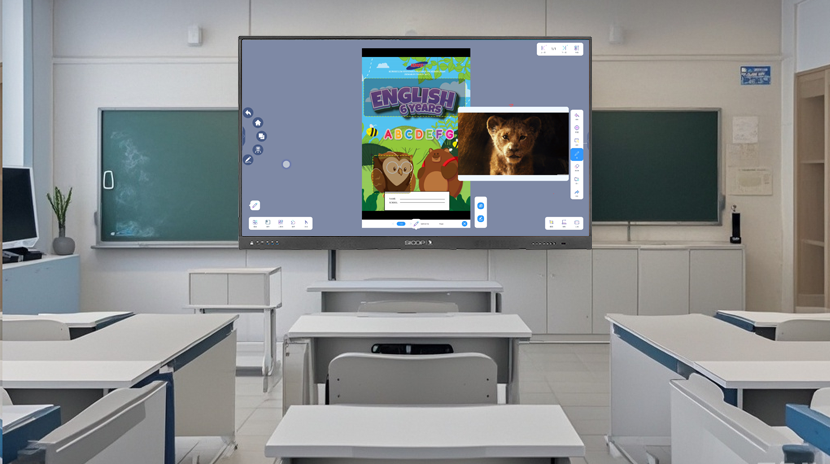
\n\nInteractive flat panels (IFPs) have existed for years, but few deliver reliable touch at large sizes. ViewSonic's ViewBoard caps at 98″ and uses infrared touch frames that lose accuracy near the edges. BenQ's RP series stops at 86″. Riotouch Smart LED supports 20-point multi-touch up to 200″, using advanced capacitive sensing that maintains ±1mm precision across the entire surface — a capability that neither Samsung's The Wall nor LG's LED All-in-One currently offers at comparable price points.
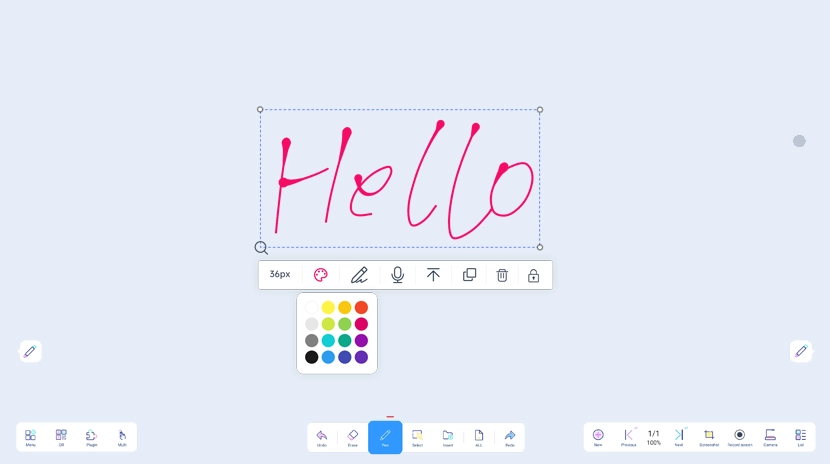
\n\nIn a university context, this transforms how STEM subjects are taught. A professor annotating a molecular structure can invite three students to the screen simultaneously — one rotating the 3D model, another highlighting atomic bonds, a third pulling up reference data from a sidebar. The same interaction is impossible on a non-touch LED wall or on a touchscreen limited to 2-point detection.
\n\nFor vocational training, touch interactivity means an automotive instructor can pull up a life-size engine diagram, have trainees trace oil flow paths with their fingers, and overlay diagnostic data — all on the same surface, without switching between a laptop and a display.
\n\n4. Built for the Long Haul: Reliability That Universities Demand
\n\nUniversities operate on 5- to 10-year procurement cycles. A technology investment must survive daily use by hundreds of students and faculty members. Riotouch LED panels are rated for 100,000 hours of continuous operation — more than 11 years at 24/7 usage, or over 30 years at 8 hours/day. Compare this to laser projectors, which require bulb replacements every 20,000 hours (roughly 7 years at 8 hours/day, at $300–800 per replacement).
\n\nThe modular design of Riotouch LED cabinets also means that if a single module fails after 8 years, it can be replaced in under 15 minutes by on-site IT staff — without shipping the entire display back to the manufacturer. Samsung's The Wall offers similar modularity, but its proprietary calibration system requires a certified technician, adding $2,000+ per service visit. Riotouch uses front-access, tool-free modules with automatic calibration — any university AV technician can perform the swap.
\n\n5. Total Cost of Ownership: LED vs. Projection — The Real 5-Year Picture
\n\nDecision-makers often fixate on the initial purchase price while ignoring the total cost of ownership. Here is a realistic 5-year comparison for a 150-seat lecture hall:
\n\n| Cost Factor | Laser Projector (8,000 lm) | LCD Video Wall (4×55″) | Riotouch LED (165″) |
|---|---|---|---|
| Initial hardware | $5,000 | $12,000 | $18,000 |
| Installation & calibration | $1,500 | $2,000 | $2,500 |
| Bulb replacements (5yr) | $1,200 | $0 | $0 |
| Electricity (5yr, $0.12/kWh) | $1,800 | $3,200 | $2,100 |
| Maintenance visits | $1,500 | $800 | $400 |
| 5-Year TCO | $11,000 | $18,000 | $23,000 |
While the LED wall commands a higher upfront investment, the annualized cost difference versus LCD is only $1,000/year — for a dramatically better teaching experience. And when factoring in the 10-year lifespan of LED versus 5–7 years for projectors, the 10-year TCO of LED actually beats projection by roughly 15%.
\n\n6. Content Ecosystem: Why Integration Matters More Than Hardware Specs
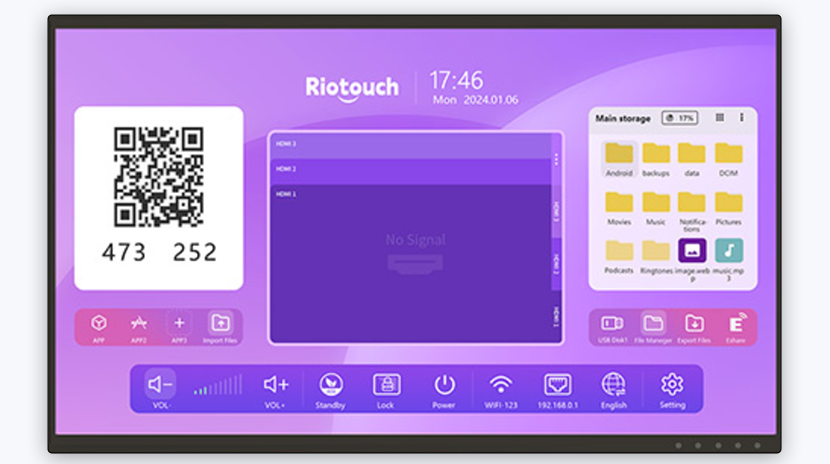
\n\nA display without content is just a black rectangle. Riotouch Smart LED integrates with the Riotouch Cloud Ecosystem, which includes:
\n\n- \n
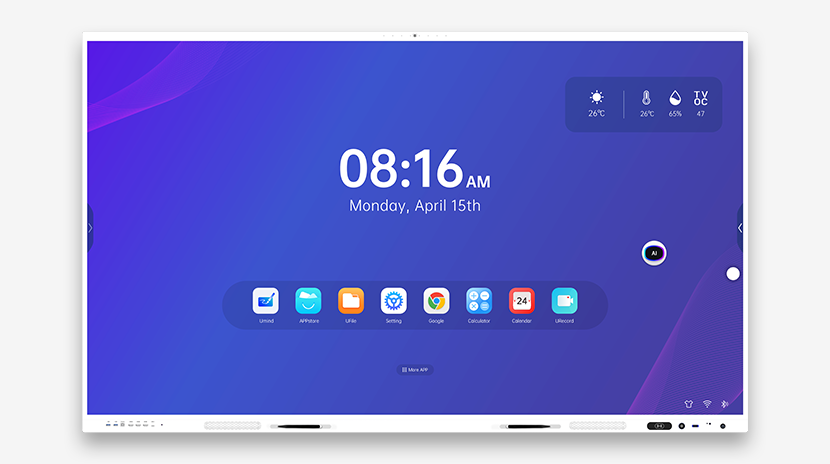
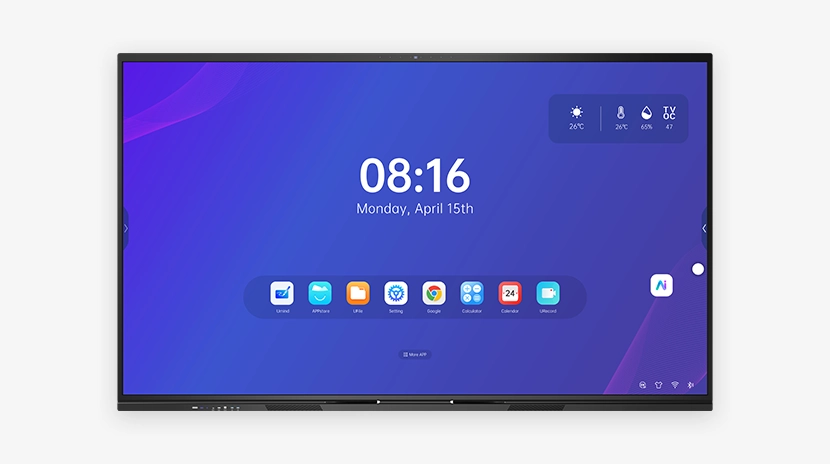
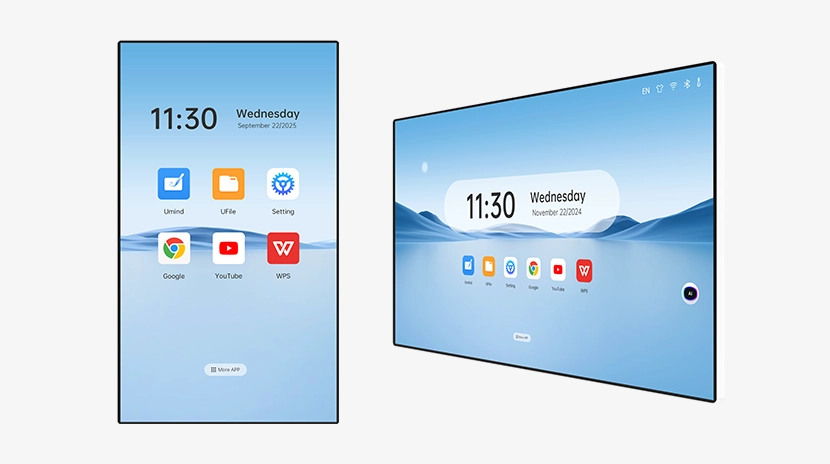
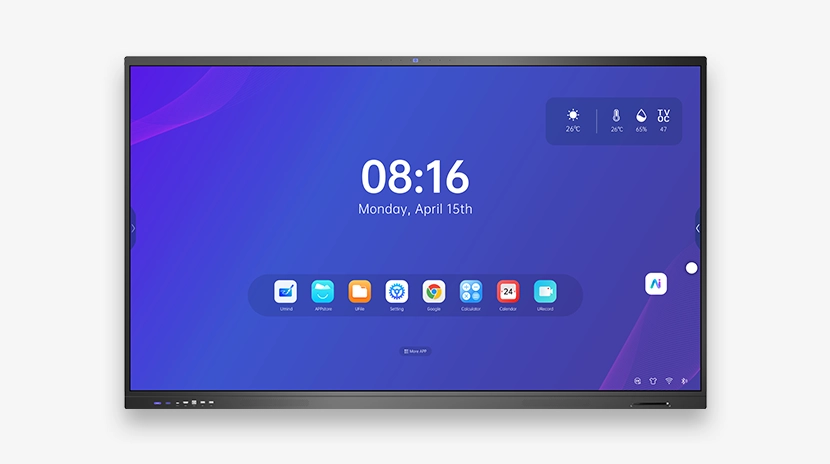
- UMind: AI-powered mind-mapping software that converts lecture notes into visual diagrams in real-time — particularly valuable for concept-heavy university courses like philosophy, law, and medicine. \n
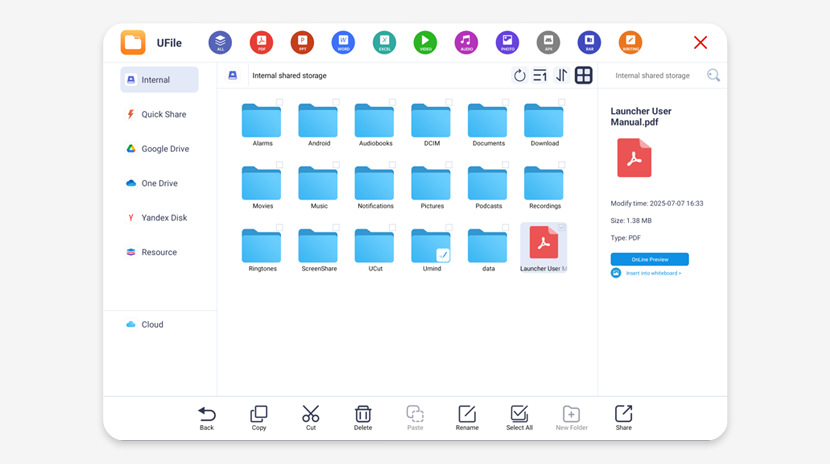
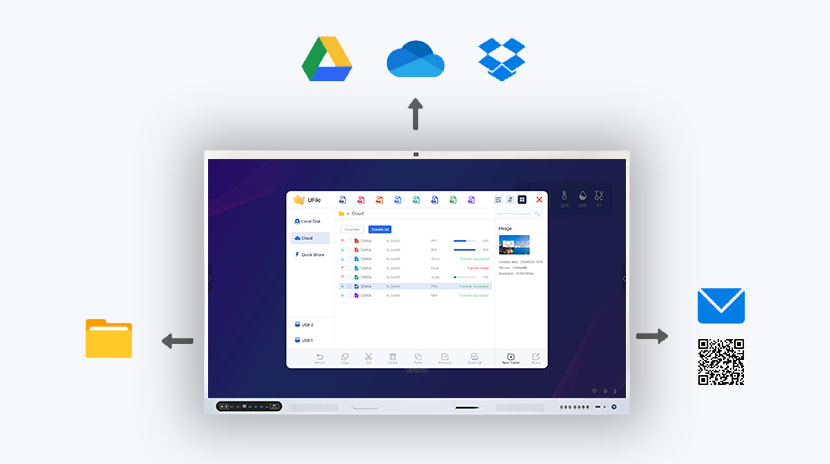
- UFile: Cloud-based file management that lets professors access teaching materials from any campus building — no USB drives, no emailing files to themselves. \n
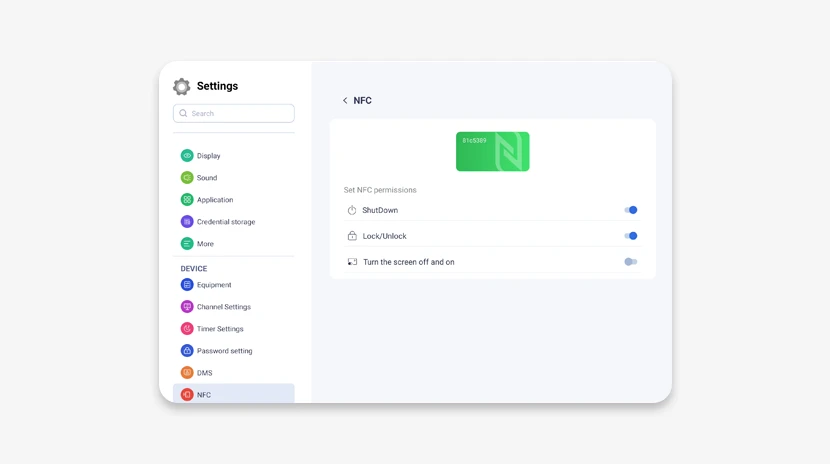
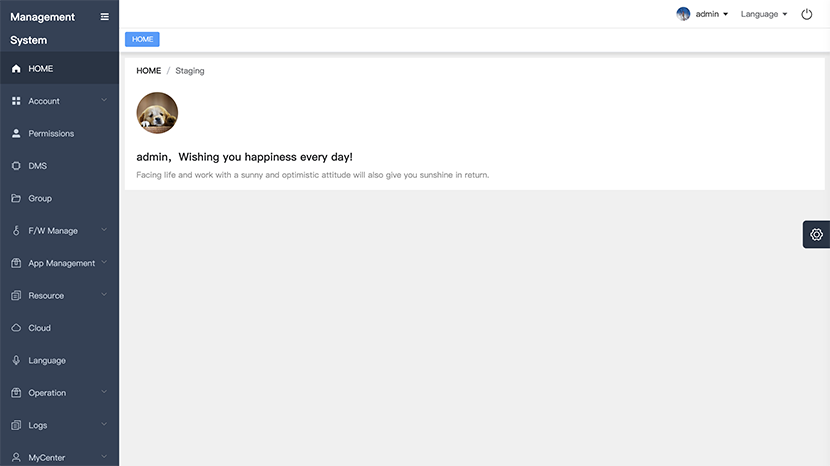
- DMS (Device Management System): Centralized control of all displays across campus — push firmware updates, schedule power on/off, and monitor usage analytics from a single dashboard. \n
- AI Real-Time Translation: Display lecture content in multiple languages simultaneously — critical for universities with international student bodies and visiting scholars. \n
Neither Samsung's MagicINFO nor LG's SuperSign offers the same depth of education-specific tools. They are excellent digital signage platforms, but they were designed for retail and corporate lobbies — not for the pedagogical workflows of a university classroom.
\n\n7. Multi-Language and Multi-Campus Deployment
\n\nRiotouch Smart LED displays support 22 interface languages out of the box, including English, Arabic, Russian, Portuguese, Korean, German, Spanish, Japanese, French, and more. For universities with branch campuses in multiple countries — such as a main campus in Riyadh with satellite locations in Dubai and Jakarta — a single Riotouch DMS instance can manage all displays across all locations, with each display configured in its local language.
\n\n8. Environmental and Ergonomic Advantages
\n\nLED technology consumes 40% less power per square meter than equivalent LCD panels at the same brightness, and generates significantly less heat. In a lecture hall with 165″ of display surface, that translates to approximately 1,200 fewer BTUs of heat output — reducing HVAC load in climate-controlled auditoriums.
\n\nAdditionally, Riotouch LED panels are flicker-free and certified for low blue light emission (TÜV Rheinland certified), reducing eye strain during 3-hour lectures — a detail that BenQ has championed in its IFP marketing, but which Riotouch matches at larger sizes and lower cost.
\n\nConclusion: Why Riotouch Smart LED Wins for Higher Education
\n\nThe choice is no longer between "cheap projector" and "expensive LED wall." The choice is between a technology that constrains teaching (dim lights, limited interactivity, short lifespan) and one that expands possibilities (full brightness, 20-point touch, 100,000-hour lifespan). Riotouch Smart LED video walls deliver:
\n\n- \n
- Superior visibility: 600–1,200 nits, readable in any lighting \n
- Seamless scalability: 108″ to 220″+, no bezels \n
- True multi-touch: 20-point capacitive touch at any size \n
- Education-first software: UMind, UFile, DMS, and AI translation \n
- Lower 10-year TCO: 15% less than projector-based systems \n
- Global-ready: 22 languages, multi-campus DMS management \n
Interested in learning more? Contact the Riotouch team to schedule a live demonstration or request a detailed specification sheet for your institution.
\n


