அறிமுகம்: மாணவர்களின் ஈடுபாட்டைத் தக்கவைப்பதில் உள்ள சவால்
இன்றைய ஆசிரியர்கள் ஒரு தொடர்ச்சியான சவாலை எதிர்கொள்கின்றனர்: டிஜிட்டல் கவனச்சிதறல்கள் நிறைந்த இந்தக் காலத்தில் மாணவர்களின் கவனத்தை ஈர்த்து தக்கவைப்பது. பாரம்பரிய சாக்போர்டுகளும் நிலையான ப்ரொஜெக்டர்களும் நவீன மாணவர்கள் எதிர்பார்க்கும் ஆற்றல்மிக்க, கூட்டு கற்றல் அனுபவங்களை வழங்கத் தவறுகின்றன. EdTech Magazine நடத்திய 2022 ஆய்வில், 73% கல்வியாளர்கள் இன்டராக்டிவ் தொழில்நுட்பம் மாணவர் ஈடுபாட்டை கணிசமாக மேம்படுத்துகிறது என்று நம்புவதாகக் கண்டறியப்பட்டது. இருப்பினும், பல பள்ளிகள் இன்னும் தொடர்புகளைக் கட்டுப்படுத்தி பாடம் நடத்துவதை மெதுவாக்கும் காலாவதியான கருவிகளையே நம்பியுள்ளன.
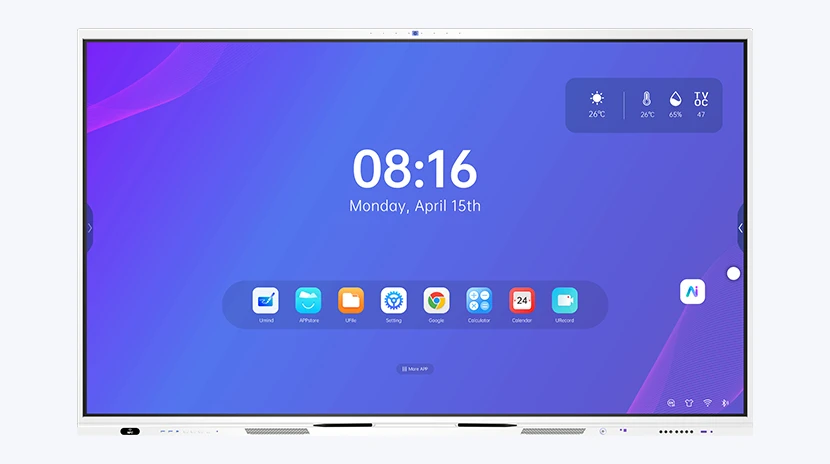
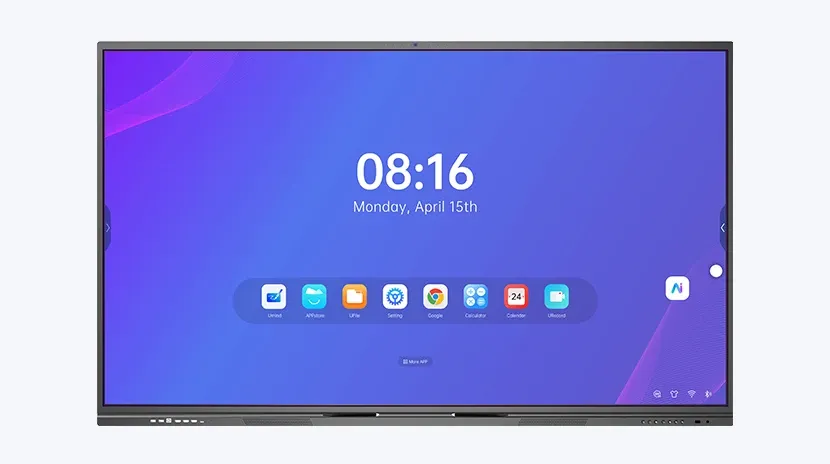
இங்குதான் ஒரு இன்டராக்டிவ் ஃபிளாட் பேனல் கல்விக்கானது விளையாட்டை மாற்றும் கருவியாக மாறுகிறது. அடிக்கடி அளவீடு செய்ய வேண்டியதும் பல்ப் மாற்ற வேண்டியதும் தேவைப்படும் பழைய இன்டராக்டிவ் ஒயிட்போர்டுகளைப் போலல்லாமல், நவீன இன்டராக்டிவ் ஃபிளாட் பேனல்கள் (IFP) தடையற்ற தொடு பதிலளிப்பு, தெளிவான 4K டிஸ்பிளேக்கள் மற்றும் உள்ளமைக்கப்பட்ட கூட்டு மென்பொருளை வழங்குகின்றன. K-12 பள்ளிகள், பல்கலைக்கழகங்கள் மற்றும் பயிற்சி மையங்களுக்கு, IFP-க்கு மேம்படுத்துவது என்பது செயலற்ற விரிவுரைக்கும் செயலில் பங்கேற்கும் வகுப்பறைக்கும் இடையிலான வேறுபாட்டைக் குறிக்கும்.
இந்தக் கட்டுரையில், கல்விக்கான இன்டராக்டிவ் ஃபிளாட் பேனலைப் பயன்படுத்துவதன் முக்கிய நன்மைகளை ஆராய்வோம், கருத்தில் கொள்ள வேண்டிய அத்தியாவசிய அம்சங்களை விரிவாகப் பார்ப்போம், மேலும் ஒரு நடைமுறை வாங்குபவர் வழிகாட்டியை வழங்குவோம். நீங்கள் ஒரு பள்ளி மாவட்ட நிர்வாகியாக இருந்தாலும் அல்லது தொழில்நுட்ப ஒருங்கிணைப்பாளராக இருந்தாலும், இந்த வழிகாட்டி தகவலறிந்த முதலீட்டைச் செய்ய உதவும்.
பாரம்பரிய வகுப்பறை டிஸ்பிளேக்கள் ஏன் போதுமானதாக இல்லை
ப்ரொஜெக்டர்களும் பழைய இன்டராக்டிவ் ஒயிட்போர்டுகளும் பல தசாப்தங்களாக வகுப்பறைகளில் முக்கிய அங்கங்களாக இருந்து வருகின்றன, ஆனால் அவற்றில் குறிப்பிடத்தக்க குறைபாடுகள் உள்ளன:
- பராமரிப்பு செலவுகள்: ப்ரொஜெக்டர் விளக்குகள் 2,000–5,000 மணிநேரத்திற்குப் பிறகு எரிந்துவிடும், அடிக்கடி மாற்ற வேண்டியதால் காலப்போக்கில் செலவு கூடுகிறது.
- மோசமான தெரிவுநிலை: சுற்றுப்புற ஒளி ப்ரொஜெக்ட் செய்யப்பட்ட படங்களை மங்கச் செய்கிறது, இதனால் ஆசிரியர்கள் விளக்குகளை மங்கச் செய்ய வேண்டியதாகிறது மற்றும் மாணவர்களின் கண்களுக்கு அழுத்தம் ஏற்படுகிறது.
- குறைந்த இன்டராக்டிவிட்டி: பல பழைய போர்டுகள் ஒற்றை-தொடு தொழில்நுட்பத்தை நம்பியுள்ளன அல்லது எளிதில் தொலைந்து போகும் அல்லது உடையக்கூடிய சிறப்பு பேனாக்களைத் தேவைப்படுத்துகின்றன.
- உடையக்கூடிய அமைப்பு: ப்ரொஜெக்டர்களும் போர்டுகளும் பெரும்பாலும் தனித்தனி கூறுகளாக இருப்பதால், குழப்பமான வயரிங் மற்றும் அளவீட்டு சிக்கல்கள் ஏற்படுகின்றன.
ஒரு கல்விக்கான இன்டராக்டிவ் ஃபிளாட் பேனல் அனைத்தும்-ஒன்றில் அடங்கிய தீர்வை வழங்குவதன் மூலம் இந்தச் சிக்கல்களை நீக்குகிறது. நீடித்த LED-பின்னொளி திரை, அளவீடு தேவையில்லை மற்றும் மல்டி-டச் ஆதரவுடன், ஆசிரியர்கள் நேரடியாக டிஸ்பிளேவுக்குச் சென்று உடனடியாக எழுதவோ, குறிப்புகள் சேர்க்கவோ அல்லது ஆப்களைத் தொடங்கவோ முடியும். பாடம் தடைபடும் அதிக போக்குவரத்து நிறைந்த வகுப்பறைகளில் இந்த நம்பகத்தன்மை மிகவும் முக்கியமானது.
வகுப்பறையில் இன்டராக்டிவ் ஃபிளாட் பேனல்களின் முக்கிய நன்மைகள்
1. மல்டி-டச் கூட்டு மூலம் மேம்பட்ட மாணவர் ஈடுபாடு
நவீன IFP-கள் 20 அல்லது அதற்கு மேற்பட்ட ஒரே நேர தொடு புள்ளிகளை ஆதரிக்கின்றன, இதனால் பல மாணவர்கள் ஒரே நேரத்தில் உள்ளடக்கத்துடன் தொடர்பு கொள்ள முடியும். ஒரு மாணவர் மட்டும் போர்டில் இருப்பதற்குப் பதிலாக, குழுக்களாக கணிதப் பிரச்சினைகளைத் தீர்க்கலாம், வரைபடங்களில் குறிப்புகள் சேர்க்கலாம் அல்லது தரவை ஒன்றாக வரிசைப்படுத்தலாம். International Society for Technology in Education (ISTE) நடத்திய ஆய்வில், செயலற்ற கேட்டலுடன் ஒப்பிடும்போது கூட்டு தொடு-திரை செயல்பாடுகள் நினைவில் வைத்திருக்கும் திறனை 25% வரை அதிகரிப்பதாகக் காட்டுகிறது.
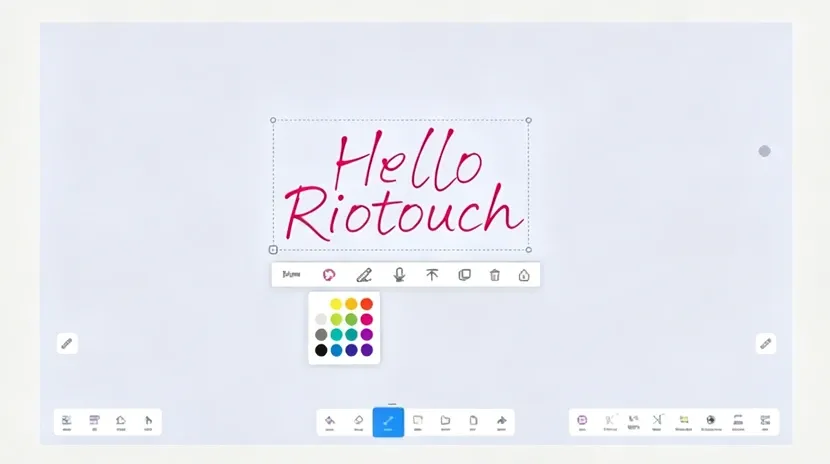
எடுத்துக்காட்டாக, Riotouch இன்டராக்டிவ் ஃபிளாட் பேனல்கள் முன்கூட்டியே நிறுவப்பட்ட குறிப்பு கருவிகள் மற்றும் திரை-பகிர்வு திறன்களுடன் வருகின்றன, இதனால் மாணவர்கள் தங்கள் டேப்லெட்டுகள் அல்லது மடிக்கணினிகளைப் பெரிய திரையில் காட்ட முடியும். இது அறிவியல் ஆய்வகமாக இருந்தாலும் சரி அல்லது வரலாற்று கருத்தரங்கமாக இருந்தாலும் சரி, எந்தப் பாடத்தையும் கூட்டு பணிப்பட்டறையாக மாற்றுகிறது.
2. சிறந்த காட்சித் தெளிவு மற்றும் கண் வசதி
4K UHD தெளிவுத்திறன் மற்றும் எதிரொளிப்பு எதிர்ப்பு கண்ணாடியுடன், ஒரு ஊடாடும் தட்டையான பேனல் அறையின் எந்த இருக்கையிலிருந்தும் தெளிவான எழுத்துருக்களையும் துடிப்பான படங்களையும் வழங்குகிறது. மங்கலான ப்ரொஜெக்ஷன்களை உற்றுப் பார்க்க வேண்டியதில்லை. பல பேனல்களில் நீல ஒளி வடிகட்டுதல் மற்றும் மின்னல் இல்லாத தொழில்நுட்பமும் உள்ளன, இது நீண்ட அமர்வுகளின் போது கண் சோர்வைக் குறைக்கிறது. இளைய மாணவர்களுக்கு, இந்த பணிச்சுமை நலன் கவனத்தைத் தக்கவைக்கவும் சோர்வைத் தடுக்கவும் மிக முக்கியமானது.
Riotouch இன் கல்வித் தர பேனல்கள் எதிரொளிப்பைக் குறைக்கும் பிணைக்கப்பட்ட கண்ணாடி வடிவமைப்பைக் கொண்டுள்ளன, பெரிய ஜன்னல்களைக் கொண்ட வகுப்பறைகளிலும் சிறந்த தெரிவுநிலையை உறுதிசெய்கிறது. இதன் பொருள் ஆசிரியர்கள் விளக்குகளை இயக்கத்திலேயே வைத்திருக்கலாம் மற்றும் மாணவர்கள் தலைவலி இல்லாமல் தெளிவாகப் பார்க்கலாம்.
3. எளிமையான பாட வழங்கல் மற்றும் உள்ளடக்க ஒருங்கிணைப்பு
பல ரிமோட்டுகள் மற்றும் கேபிள்களை கையாளும் நாட்கள் முடிந்துவிட்டன. ஒரு ஊடாடும் தட்டையான பேனல் அனைத்து வகுப்பறை தொழில்நுட்பத்திற்கும் மைய மையமாக செயல்படுகிறது. ஆசிரியர்கள் தங்கள் மடிக்கணினிகளை வயர்லெஸ் முறையில் இணைக்கலாம், கிளவுட் அடிப்படையிலான பாடத் திட்டங்களை அணுகலாம், வீடியோக்களை இயக்கலாம் மற்றும் உள்ளமைக்கப்பட்ட ஒயிட்போர்டிங் பயன்பாடுகளைப் பயன்படுத்தலாம்—அனைத்தும் ஒரே திரையிலிருந்து. பெரும்பாலான IFP கள் Android அல்லது Windows இயங்குதளங்களையும் ஆதரிக்கின்றன, இது கல்வியாளர்கள் கல்வி பயன்பாடுகளை நேரடியாக பேனலில் பதிவிறக்கம் செய்ய அனுமதிக்கிறது.
Google Classroom அல்லது Canvas போன்ற கற்றல் மேலாண்மை அமைப்புகளை (LMS) பயன்படுத்தும் பள்ளிகளுக்கு, பல IFP கள் தடையற்ற ஒருங்கிணைப்பை வழங்குகின்றன. ஆசிரியர்கள் பணிகளைத் திறக்கலாம், வேலையை மதிப்பிடலாம் அல்லது மாணவர் சமர்ப்பிப்புகளை நிகழ்நேரத்தில் காட்டலாம். இந்த ஒருங்கிணைப்பு தயாரிப்பு நேரத்தைக் குறைக்கிறது மற்றும் பாடங்கள் சீராக நடைபெற உதவுகிறது.
4. நீண்டகால செலவு திறன் மற்றும் நீடித்த தன்மை
ஒரு ஊடாடும் தட்டையான பேனலின் முன்கூட்டிய செலவு ப்ரொஜெக்டரை விட அதிகமாக இருக்கலாம், ஆனால் ஐந்து ஆண்டுகளில் மொத்த உரிமைச் செலவு கணிசமாகக் குறைவாக உள்ளது. ப்ரொஜெக்டர்களுக்கு ஒவ்வொரு 1–3 ஆண்டுகளுக்கும் விளக்கு மாற்றீடுகள் தேவை ($100–$300 ஒவ்வொன்றும்), மேலும் தொடர்ச்சியான வடிகட்டி சுத்தம் மற்றும் அளவீடு. IFP கள், மாறாக, 50,000 மணிநேரம் அல்லது அதற்கு மேல் மதிப்பிடப்பட்ட LED பின்னொளிகளைக் கொண்டுள்ளன—இது 15 ஆண்டுகளுக்கும் மேலான வழக்கமான வகுப்பறை பயன்பாட்டிற்கு சமம். நுகர்பொருட்கள் இல்லை, மேலும் திட நிலை வடிவமைப்பு தூசி மற்றும் அதிர்ச்சியை எதிர்க்கும்.
Riotouch பேனல்கள் தொழில்துறை தர கூறுகளுடன் கட்டப்பட்டவை மற்றும் நீட்டிக்கப்பட்ட உத்தரவாதங்களுடன் வருகின்றன, பள்ளிகள் அதிகபட்ச முதலீட்டு வருவாயைப் பெறுவதை உறுதிசெய்கிறது. பட்ஜெட் கவனமுள்ள மாவட்டங்களுக்கு, இந்த நீடித்த தன்மை குறைவான மாற்றீட்டு சுழற்சிகள் மற்றும் குறைந்த பராமரிப்பு தொழிலாளர் செலவுகளாக மாறுகிறது.
நடைமுறை வாங்குபவர் வழிகாட்டி: ஊடாடும் தட்டையான பேனலில் என்ன தேட வேண்டும்
ஒரு மதிப்பீடு செய்யும் போது கல்விக்கான ஊடாடும் தட்டையான பேனல், உங்கள் நிறுவனத்திற்கு சரியான மாதிரியைத் தேர்ந்தெடுப்பதை உறுதிசெய்ய இந்த ஐந்து காரணிகளைக் கவனியுங்கள்:
- திரை அளவு: பெரும்பாலான வகுப்பறைகளுக்கு, 65-இன்ச் முதல் 86-இன்ச் பேனல்கள் சிறந்தது. பின்வரிசையிலிருந்து தெரிவுநிலையை உறுதிசெய்ய உங்கள் அறை மற்றும் இருக்கை தூரத்தை அளவிடவும்.
- தொடு தொழில்நுட்பம்: குறைந்தது 10 புள்ளிகளை ஆதரிக்கும் அகச்சிவப்பு (IR) அல்லது கொள்ளளவு தொடுப்பைத் தேடுங்கள். தூசி நிறைந்த சூழல்களில் IR மிகவும் நீடித்தது, அதேசமயம் கொள்ளளவு அதிக துல்லியத்தை வழங்குகிறது.
- பிரகாசம் மற்றும் எதிரொளிப்பு எதிர்ப்பு: நன்கு ஒளிரும் அறைகளில் எதிரொளிப்பை எதிர்த்துப் போராட 350–500 நிட்ஸ் பிரகாசம் மற்றும் மேட் அல்லது பிணைக்கப்பட்ட கண்ணாடி பூச்சை இலக்காகக் கொள்ளுங்கள்.
- உள்ளமைக்கப்பட்ட மென்பொருள்: பேனலில் ஒயிட்போர்டிங், குறிப்பேட்டு மற்றும் திரை பிரதிபலிப்பு கருவிகள் உள்ளன என்பதை உறுதிசெய்யவும். தனியுரிம மென்பொருள் உள்ளுணர்வாக இருக்க வேண்டும் மற்றும் வழக்கமாக புதுப்பிக்கப்பட வேண்டும்.
- இணைப்பு: வகுப்பறை சாதனங்களுக்கு போதுமான HDMI, USB மற்றும் USB-C போர்ட்கள் பேனலில் உள்ளன என்பதைச் சரிபார்க்கவும். வயர்லெஸ் விளக்கக்காட்சிகளுக்கு Wi-Fi மற்றும் Bluetooth ஆதரவும் மதிப்புமிக்கது.
கூடுதலாக, நிறுவல் சேவைகள், ஆசிரியர்களுக்கான பயிற்சி மற்றும் உத்தரவாத பாதுகாப்பு பற்றி கேளுங்கள். Riotouch போன்ற நம்பகமான உற்பத்தியாளர் உங்கள் ஊழியர்கள் தொழில்நுட்பத்தை முழுமையாகப் பயன்படுத்த உதவ தளத்தில் ஆதரவு மற்றும் தொழில்முறை மேம்பாட்டு வளங்களை வழங்குகிறார்.
நிஜ உலக தாக்கம்: பள்ளிகள் ஊடாடும் தட்டையான பேனல்களை எவ்வாறு பயன்படுத்துகின்றன
டெக்சாஸில் உள்ள ஒரு நடுநிலைப் பள்ளியைக் கவனியுங்கள், இது 20 ப்ரொஜெக்டர் அடிப்படையிலான வகுப்பறைகளை Riotouch 75-இன்ச் ஊடாடும் தட்டையான பேனல்களுடன் மாற்றியது. ஒரு பருவத்திற்குள், கணிதம் மற்றும் அறிவியல் பாடங்களில் மாணவர் பங்கேற்பு 40% அதிகரித்ததாக ஆசிரியர்கள் தெரிவித்தனர். டிஜிட்டல் குறிப்பேட்டுகளைச் சேமித்து மின்னஞ்சல் மூலம் பகிரும் திறன் வருகை தவறிய மாணவர்கள் விரைவாகப் பிடிக்க அனுமதித்தது. காட்சி சிக்கல்கள் தொடர்பான உதவி-டெஸ்க் டிக்கெட்டுகளில் 60% குறைவு ஏற்பட்டதாக பள்ளியின் IT குழுவும் குறிப்பிட்டது.
இதேபோல், ஜெர்மனியில் உள்ள ஒரு பல்கலைக்கழகம் விரிவுரை அரங்குகளில் 86-இன்ச் IFP களை நிறுவி வருகை விகிதங்கள் மேம்பட்டதைக் கண்டது. சிக்கலான வரைபடங்களைக் காட்டவும் மாணவர் குறிப்பேட்டுகளை அழைக்கவும் பேராசிரியர்கள் பேனல்களைப் பயன்படுத்தினர், பெரிய விரிவுரைகளை மிகவும் ஊடாடும் வகையாக மாற்றினர். குறைக்கப்பட்ட ப்ரொஜெக்டர் பராமரிப்பு மற்றும் அதிகரித்த வகுப்பறை பயன்பாட்டின் மூலம் மூன்று ஆண்டு திருப்பிச் செலுத்தும் காலத்தை பல்கலைக்கழகம் மதிப்பிட்டது.
முடிவு: Riotouch மூலம் உங்கள் வகுப்பறையை எதிர்காலத்திற்குத் தயார்படுத்துங்கள்
செயலற்ற கற்றலில் இருந்து செயலில் கற்றலுக்கான மாற்றம் ஒரு போக்கு அல்ல—இது மாணவர்கள் தகவலை எவ்வாறு உள்வாங்கி தக்கவைத்துக்கொள்கிறார்கள் என்பதில் ஒரு அடிப்படை மாற்றம். ஒரு கல்விக்கான ஊடாடும் தட்டையான பேனல் இந்த மாற்றத்தை எளிதாக்குவதற்கான மிகச் சிறந்த கருவியாகும், இது இணையற்ற ஈடுபாடு, தெளிவு மற்றும் நீடித்த தன்மையை வழங்குகிறது. தரமான IFP-யில் முதலீடு செய்வதன் மூலம், பள்ளிகள் நீண்டகால செலவுகளைக் குறைக்கலாம், அதே நேரத்தில் ஆசிரியர்கள் ஆற்றல்மிக்க, அனைவரையும் உள்ளடக்கிய பாடங்களை உருவாக்க முடியும்.
Riotouch கல்விச் சூழல்களுக்காக வடிவமைக்கப்பட்ட உயர் செயல்திறன் ஊடாடும் காட்சிகளை வழங்க உறுதிபூண்டுள்ளது. எங்கள் பேனல்கள் கல்வியாளர்களை மனதில் கொண்டு வடிவமைக்கப்பட்டுள்ளன, வலுவான தொடுதல் தொழில்நுட்பம், எளிதான ஒருங்கிணைப்பு மற்றும் நம்பகமான ஆதரவைக் கொண்டுள்ளன. பைலட் வகுப்பறைக்கு ஒரு பேனல் தேவையா அல்லது மாவட்டம் முழுவதும் பயன்படுத்துவதற்கா, நாங்கள் உதவ முடியும்.
உங்கள் வகுப்பறைகளை மாற்றத் தயாரா? தனிப்பயனாக்கப்பட்ட ஆலோசனை, தயாரிப்பு டெமோ அல்லது மொத்த விலை மேற்கோளுக்கு இன்றே Riotouch-ஐ தொடர்பு கொள்ளுங்கள். நாளைய வகுப்பறையை உருவாக்க நாங்கள் உங்களுக்கு உதவுவோம்.