AI is changing how teachers teach and how students learn. Done well, it personalizes practice, makes lessons more interactive, and gives teachers time back — without replacing the human side of the classroom.
This guide walks through how AI reshapes interactive teaching today, how it plays out across whiteboards, remote classes and games, and where it is heading next.
How does AI reshape interactive teaching?
Personalized learning. AI analyzes each student's behavior and performance, then recommends resources and exercises at the right difficulty — pushing harder problems to strong students in math class and extra practice to those who need it. Real-time feedback tools grade answers instantly, generate learning reports and show teachers exactly where knowledge gaps are.
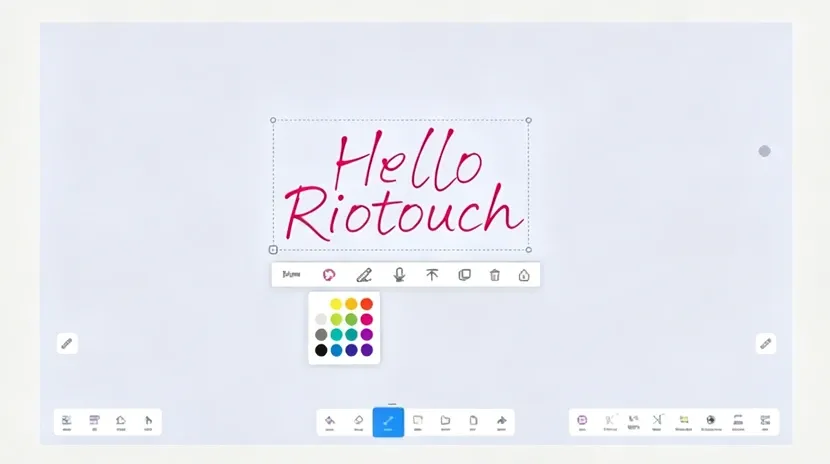
Immersive classroom interaction. AI virtual assistants answer questions and organize activities; speech and image recognition let students interact by voice and turn handwritten notes into digital text in real time; and text-to-video generation turns dry textbook content into short animated lessons students actually watch.
Data-driven teaching optimization. Classroom behavior analysis — participation frequency, attention spans — helps teachers adjust pacing, delivery and activities based on evidence rather than guesswork.
The impact of AI on interactive teaching in different scenarios
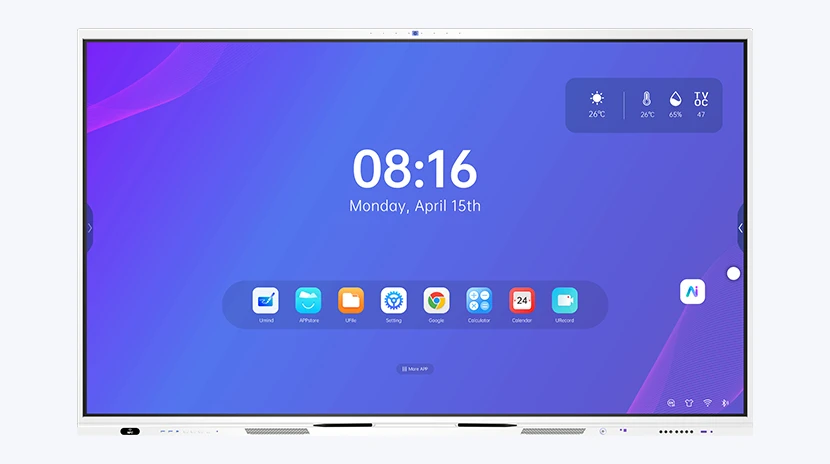
AI + interactive whiteboards. Riotouch smart boards combine AI with voice-to-text, intelligent annotation and data analysis. In Chinese class, handwritten notes are recognized and archived automatically; in science class, experiments can be simulated so abstract concepts become visible.
AI + remote teaching. Real-time translation lets cross-border classrooms talk without language barriers, and emotion recognition can flag when remote students are losing focus so teachers adjust the rhythm of the lesson.
AI + gamified learning. AI-driven games — math levels, spelling competitions — turn practice into play, so knowledge is absorbed naturally through interaction.
Future Prospects of AI Interactive Teaching
Expect smarter hardware (VR and smart boards) that makes learning immersive — walking into a VR reconstruction of ancient Rome with AI narrating events in real time — plus data tools that help administrators balance resources and predict needs, from K-12 to corporate training.
AI makes education more warm
AI's real value is freeing teachers from repetitive work so they can spend their energy on creative teaching and personal tutoring. As the technology matures, interactive teaching becomes smarter, more efficient, and more equal — every student gets closer to high-quality education.
Explore AI interactive teaching tools and start building your smart classroom.