








Why Retail Stores Are Losing Customer Attention — And What Dynamic LED Displays Do Differently
How in-store digital signage is changing the way shopping mall brands engage customers
Walk through any shopping mall today and notice what most stores have in their windows: printed posters, static lightboxes, promotional stickers. They are clean, professional, and largely invisible.
Customers move through retail environments quickly. They are surrounded by visual information from every direction. In that context, a static image — no matter how well designed — competes poorly for attention against movement, light, and contrast.
This is not a design problem. It is a physics problem. And an increasing number of retail brands are addressing it with dynamic LED display technology.
The Attention Challenge in High-Traffic Retail
In a busy shopping mall, a customer walking past a store front is making an involuntary decision in the first few seconds: worth stopping, or keep moving.
Static displays do not give customers a strong reason to pause. A printed poster communicates one message, at one moment, in one format. Once a customer has seen it — or passed it enough times — it stops registering entirely. This effect is well documented in consumer psychology research: repeated exposure to an unchanged stimulus leads to reduced response over time.
The stores competing for that same customer's attention are not standing still. Fashion brands, cosmetic retailers, and accessory shops in premium mall locations are increasingly using motion-based digital displays precisely because moving content is harder to ignore than static content.
What Static Signage Cannot Do
Traditional in-store display formats — printed posters, fixed promotional boards, static window stickers — share a common limitation: they cannot change.
A new product launch, a weekend promotion, a seasonal campaign — each one requires new printed materials, new installation, and new cost. And once the material is up, it stays the same until the next change cycle.
In a retail environment where campaigns can shift weekly and customer traffic patterns vary by day and hour, a fixed display is always showing the wrong message to some portion of the audience walking past.
How Dynamic LED Displays Address This
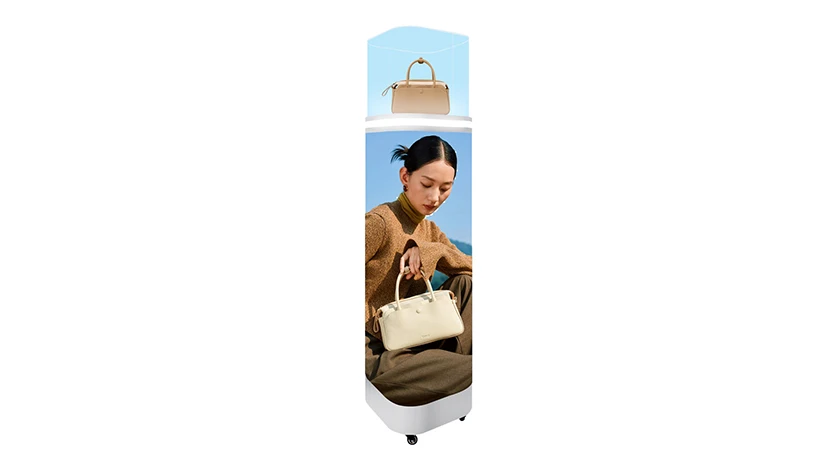
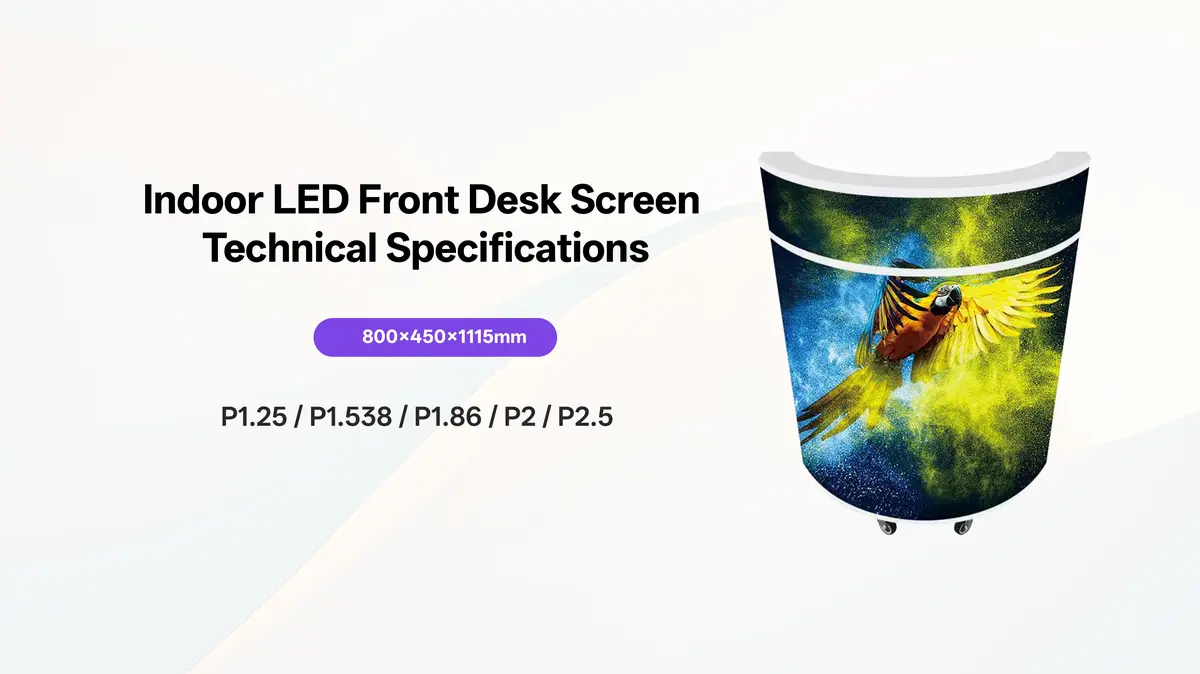
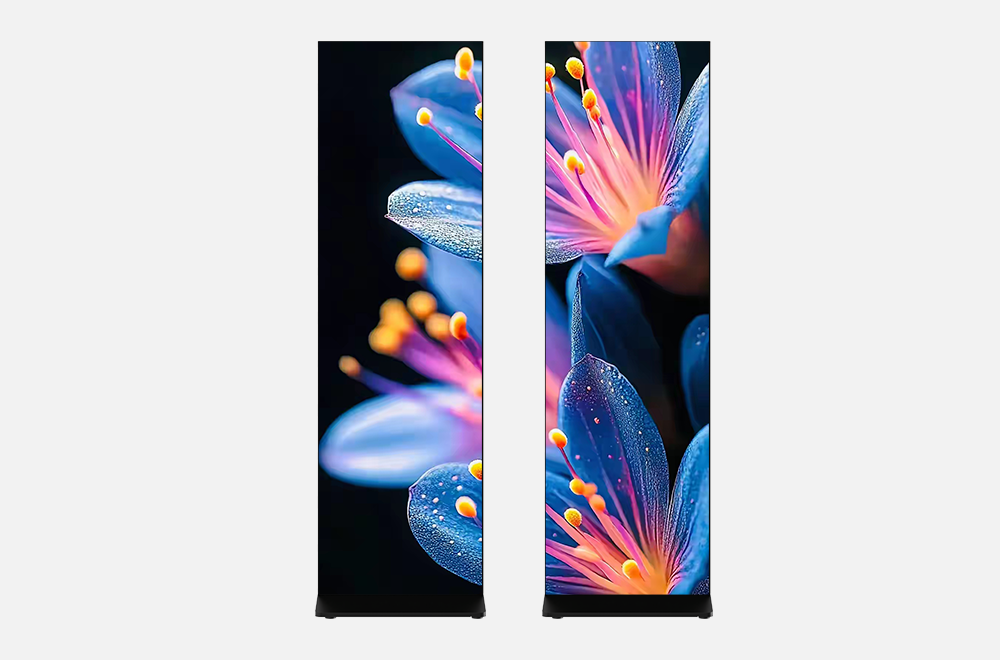
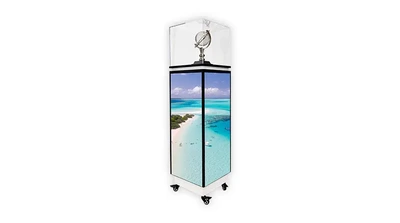
LED display stands used in retail environments solve several problems at once.
Attention capture. Moving content — video, animation, shifting imagery — interrupts the visual pattern of a customer walking past a store. This is not a marketing claim; it reflects how human visual processing works. Motion triggers a faster attentional response than static images, which is why digital displays in retail environments consistently outperform static signage for stopping foot traffic.
Content flexibility. The same display can run a morning promotion, a lunchtime campaign, and an evening clearance offer — all without printing a single piece of material. Content can be updated remotely, scheduled in advance, and adjusted in real time based on store conditions.
Visibility in mall environments. Retail LED displays are built for high-ambient-light conditions. High-brightness panels maintain image clarity even in well-lit mall concourses where printed materials can appear washed out or low-contrast.
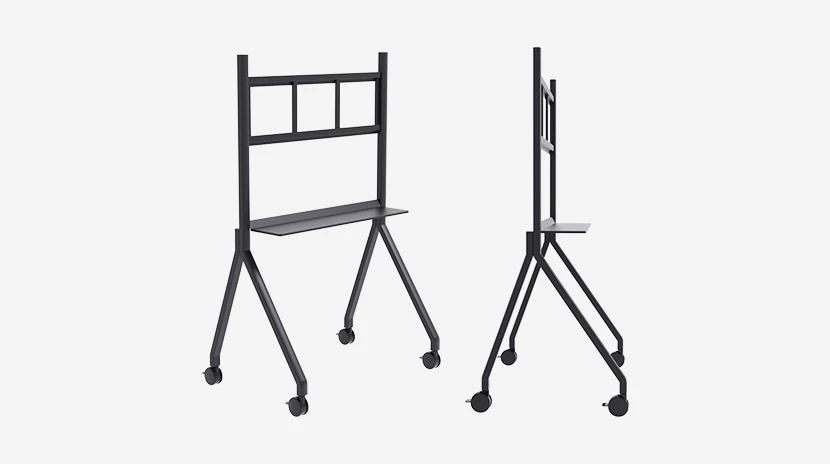
Placement flexibility. Mobile LED display stands with lockable wheels can be repositioned — from window display to entrance to in-store promotion zone — without tools or installation time. This makes them practical for stores that run different promotions in different locations throughout the week.
Where These Displays Work Best
Dynamic LED display stands are used across a range of retail categories where visual engagement drives purchase decisions:
Cosmetic and skincare stores — Product demonstration videos and campaign visuals perform significantly better in motion format. A video showing a foundation's coverage or a skincare result is more persuasive than a static image of the product.
Fashion boutiques — Lookbook videos, new arrival highlights, and seasonal campaign content can be updated instantly without reprinting window materials.
Accessory and handbag retailers — Display stands positioned at entrances or near featured product areas draw customers from the mall concourse into the store.
Shopping mall promotional areas — Mall operators use LED display stands for event announcements, tenant promotions, and wayfinding content that changes throughout the day.
What to Look for in a Retail LED Display Stand
Not all LED display stands are built for retail use. The practical requirements for a mall environment are specific:
Screen brightness — Retail environments have strong overhead and natural lighting. A display needs sufficient brightness (typically 800 nits or above for indoor retail) to remain clearly visible throughout operating hours.
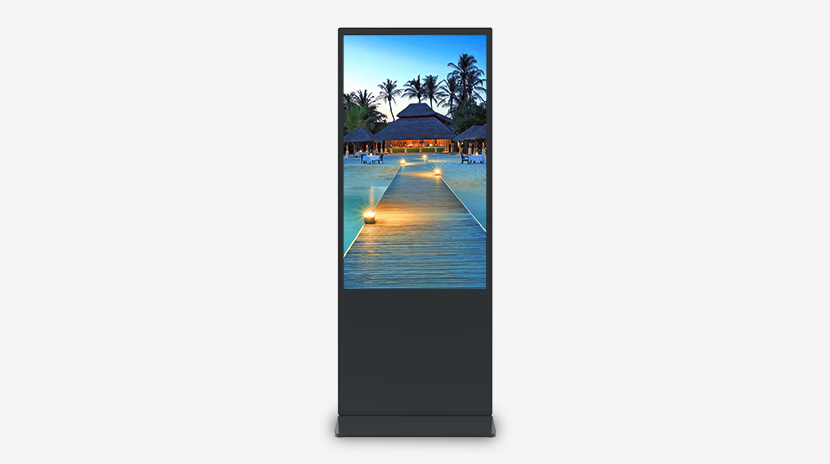
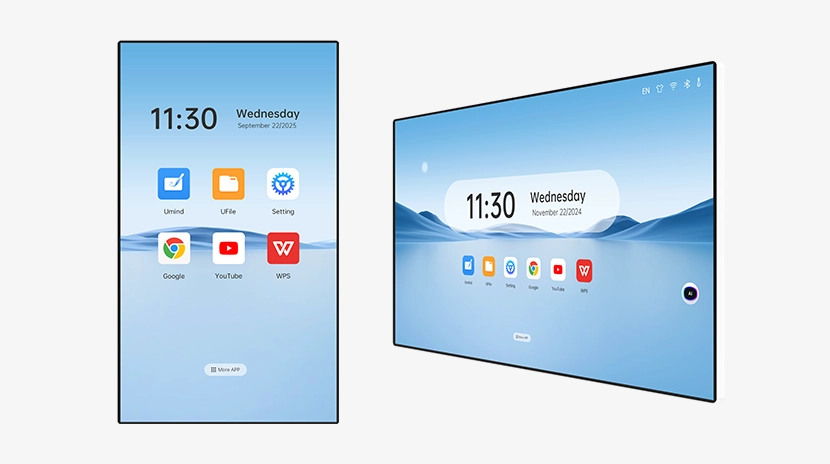
Vertical format — A floor-standing vertical display aligns with human eye level and the natural orientation of retail storefronts. This format also mirrors the aspect ratio of video content produced for social media, making content repurposing straightforward.
Mobility — A display that can be moved without tools or external help gives store teams the flexibility to adapt placement to different promotions and traffic patterns.
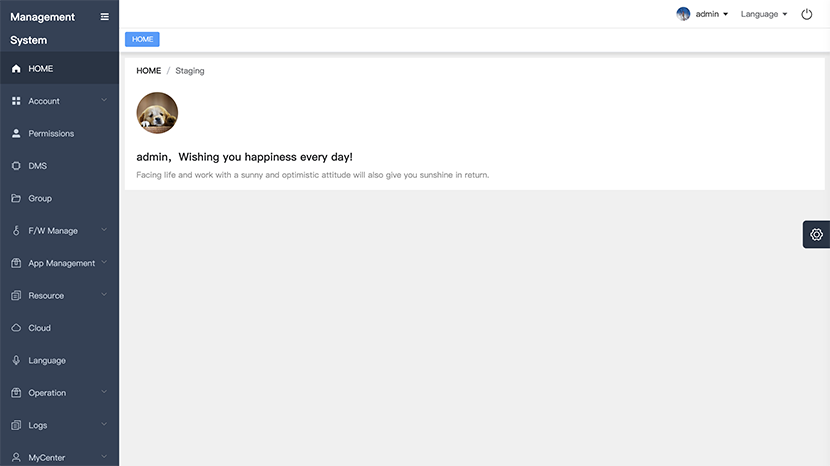
Remote content management — The ability to update content via WiFi or app, without sending someone to the display, is a practical operational requirement for stores running fast-changing campaigns.
Retail marketing has always been about making the right impression at the right moment. The difference today is that the moment is shorter, the competition for attention is greater, and static formats are increasingly at a disadvantage in environments designed around movement and change.
Dynamic LED display stands do not replace good product or good retail design. They make it easier for customers to notice what a store is offering — at the moment they are walking past and have not yet decided to stop.
That first moment of attention is the one retail brands need to earn.
Interested in LED display solutions for your retail store or mall? Contact Riotouch to request a product specification sheet or wholesale pricing.


